
Italian Pasta: How to Choose the Right Pasta for Your Restaurant Menu
, by Apostolos Magkoulias, 5 min reading time
, by Apostolos Magkoulias, 5 min reading time
Pasta looks simple.
Flour, water, sometimes eggs, that is really all it takes to make one of the world's most loved foods. But anyone who has worked in a professional kitchen knows that not all pasta is the same.
The shape, ingredients, texture and production method can all affect how a dish turns out.
For restaurants, cafés, pizzerias and food businesses, choosing the right Italian pasta is therefore about more than picking a familiar brand or shape. The right pasta should work with the sauce, hold its texture during cooking and deliver a consistent result every time.
There is a reason Italy has so many different pasta shapes.
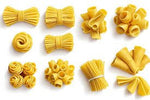
Spaghetti, penne, rigatoni, fusilli, linguine and other shapes are designed to work differently with sauces and ingredients.
Long, thin pasta such as spaghetti works naturally with lighter sauces, while wider shapes can handle richer preparations. Tubular pasta such as penne and rigatoni is particularly useful with sauces that can get inside the pasta.
Then there are shapes such as fusilli, where the twists and ridges help catch sauce.
It may seem like a small detail, but when you are serving hundreds of plates, those differences become noticeable.
A good pasta dish is about balance. You want enough sauce to coat the pasta without drowning it, and you want the pasta to remain an important part of every bite.

The phrase authentic Italian pasta is used frequently, but what should you actually look for?
One important factor is the quality of the ingredients.
Traditional dried pasta is commonly made using durum wheat semolina and water. Durum wheat is particularly well suited to pasta because of its characteristics and helps produce pasta with a firm texture when properly cooked.
Production also matters.
The way pasta is shaped and dried can influence its texture and how well it interacts with sauce. For professional kitchens, this can make a real difference.
When pasta maintains a pleasant bite rather than becoming soft too quickly, chefs have more control over the finished dish.
You have probably heard the phrase al dente countless times.
Literally meaning "to the tooth," it describes pasta that is cooked through but still has a slight firmness when you bite into it.
For restaurants, getting this right is important.
Overcooked pasta can become soft and lose its structure, while undercooked pasta may feel hard and unpleasant. Cooking time, water temperature, pasta shape and the quantity being prepared can all influence the final result.
Professional kitchens should always follow the cooking guidance for the specific pasta being used rather than assuming every shape will require the same amount of time.
And remember: pasta continues cooking slightly after it leaves the boiling water, especially when it is finished in a hot sauce.
One of the easiest ways to improve a pasta menu is to think about the relationship between the pasta shape and the sauce.
For example:
Spaghetti - excellent with simple tomato sauces, seafood, garlic and oil-based preparations.
Penne - versatile and well suited to tomato, cream and baked pasta dishes.
Rigatoni - its larger tubes work particularly well with rich meat sauces and hearty preparations.
Fusilli - the twisted shape catches lighter sauces, pesto and ingredients such as vegetables beautifully.
Linguine - a natural choice for seafood dishes and lighter sauces.
Of course, there are no strict rules. Italian cuisine itself is full of regional traditions and creative combinations.
The important thing is to understand what the pasta brings to the dish.
For a professional food business, consistency is just as important as flavour.
A pasta that cooks consistently makes it easier for kitchen staff to reproduce dishes during a busy service. It also helps maintain the expected texture from one plate to the next.
Pasta is also incredibly versatile.
The same kitchen can use different shapes across a menu without needing an entirely different cooking process. A simple tomato pasta can become a comforting classic, while the addition of seafood, vegetables, cheese, cured meats or a quality pesto can create something completely different.
This versatility makes Italian dried pasta a practical staple for restaurants and food-service businesses.
When buying pasta for a restaurant or food business, look beyond the packaging.
Consider the pasta's ingredients, country of origin, available shapes, cooking performance and pack size. If pasta is a major part of your menu, reliable supply is also important. Running out of a key pasta shape during a busy service is something every chef would rather avoid.
For businesses serving Mediterranean or Italian-inspired food, sourcing from a specialist importer can also make it easier to build a consistent range of authentic products.
At Hellenic Imports, our Italian food selection is designed with professional food businesses in mind, bringing together authentic Mediterranean ingredients that can help restaurants, cafés, pizzerias, delicatessens and other food-service businesses build their menus around quality products.
The best pasta dishes are often surprisingly straightforward.
Good pasta. A well-made sauce. Quality cheese, vegetables, seafood or meat. A little seasoning.
That is often enough.
The goal is not to hide the pasta beneath a mountain of sauce or ingredients. It is to create a dish where everything works together.
Because when you start with quality Italian pasta, you already have a very good foundation.
And sometimes, the secret to a memorable pasta dish is simply giving good ingredients the space to do what they do best.


