
Italian Charcuterie: How the Right Deli Meats Can Elevate Your Menu
, by Apostolos Magkoulias, 4 min reading time
, by Apostolos Magkoulias, 4 min reading time
Some of the best food experiences are surprisingly simple.
A few thin slices of prosciutto, good bread, a little cheese, perhaps some olives and a glass of wine can be enough to create a memorable plate. There is no complicated recipe. The quality of the ingredients does most of the work.
That is the beauty of Italian charcuterie.
For restaurants, cafés, pizzerias, delicatessens and catering businesses, authentic Italian cured meats can add depth to a menu without requiring complicated preparation. But choosing the right products is about more than simply picking a few different salamis.
Italian charcuterie is built around tradition, regional ingredients and careful preparation.
Different parts of Italy have developed their own styles of cured and prepared meats over generations. The result is an incredibly varied selection of flavours and textures.
Prosciutto tends to be delicate and silky. Speck brings a gentle smoky character. Salami can range from mild and aromatic to distinctly spicy, while products such as ’nduja offer something completely different with a soft texture and intense chilli flavour.
This regional variety is one of the reasons authentic Italian deli meats can be so useful in a professional kitchen.
You are not simply adding meat to a plate. You are adding different textures, aromas and flavours that can work across an entire menu.
One of the biggest advantages of Italian charcuterie is versatility.
A quality cured meat can be served as the centrepiece of an antipasti platter, layered into a sandwich, added to a pizza or incorporated into a pasta dish.
Prosciutto di Parma, for example, can be served thinly sliced with melon, fresh bread or cheese. Guanciale is particularly important in classic Roman pasta dishes such as carbonara and amatriciana, where its rich fat contributes much of the dish's character.
Pancetta can similarly be used in pasta, sauces and savoury preparations, while mortadella works beautifully in sandwiches, focaccia and antipasti.
This versatility is particularly valuable for restaurants. One well-chosen ingredient can potentially appear across several dishes, helping create variety without making the kitchen unnecessarily complicated.

A good Italian charcuterie board is not simply a collection of meats.
Think about contrast.
Combine something delicate with something stronger. Pair a mild cured ham with a more seasoned salami. Add something smoky, something spicy and something with a softer texture.
Then build around the meats with complementary ingredients such as:
The goal is balance.
A very strong salami next to another very strong ingredient can make the entire board feel heavy. A mixture of flavours gives customers something different with every bite.
With imported foods, origin matters.
Traditional Italian products are often closely connected to the region and methods from which they come. Products such as Prosciutto di Parma, for example, have protected geographical status, while many other Italian cured meats are strongly associated with specific regional traditions.
For food businesses, sourcing authentic products can also help support the story behind the menu.
Customers increasingly want to know where the food they are eating comes from. Saying that a menu features authentic Italian prosciutto, traditional Tuscan salami or a regional Italian specialty gives the ingredient more meaning than simply listing "cured meat."
It becomes part of the dining experience.
Restaurants and delicatessens have different requirements from home cooks.
Volume, consistency, storage, shelf life, portioning and delivery all matter.
That is why choosing the right format is just as important as choosing the right product. Professional kitchens may need larger cuts or whole pieces that can be sliced as required, while a smaller operation may prefer products that are ready to portion.
A reliable supplier should also understand the needs of food businesses and provide clear information about availability, delivery and product specifications.
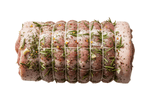
At Hellenic Imports, the Delicatessen collection brings together a selection of Italian specialties for professional food businesses, including prosciutto, speck, salami, mortadella, pancetta, guanciale, porchetta and ’nduja. Several products are available in larger food-service formats suited to restaurants and delicatessens.
That may be the biggest lesson when working with Italian charcuterie.
You don't always need to create something complicated.
Start with a genuinely good ingredient. Slice it properly. Pair it with a few things that complement it. Let the quality speak for itself.
Whether you are creating an Italian antipasti platter, upgrading a sandwich menu, adding authentic ingredients to your pizza or building a dedicated deli selection, the right charcuterie can give your food a sense of place and personality.
Because sometimes, the best menu additions are not the most complicated ones.
They are the ingredients with a story, a tradition and enough flavour to stand on their own.


