
Canned Tomatoes and Jarred Conserves: A Buyer's Guide for Italian and Mediterranean Kitchens
, by Apostolos Magkoulias, 3 min reading time
, by Apostolos Magkoulias, 3 min reading time
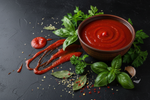
Tomato sauce is probably the single most-repeated dish base in an Italian or Mediterranean kitchen, which makes it strange how often it's sourced almost as an afterthought. A pizzeria or trattoria can get the dough, the oven, and the toppings exactly right and still serve a flat, watery sauce because of a canned-tomato decision made at the ordering stage, not at the stove. Here's what the labels on tomato conserves actually mean, and how to think about the wider jarred pantry that sits next to them.
Picking the wrong one costs you either extra labor, reducing a watery polpa by hand when passata would have done the job in one step, or a worse plate, like passata used where a dish actually wants pelati's texture.

The reference point most professional kitchens measure against is the San Marzano tomato, a variety grown in the volcanic soil around Mount Vesuvius with a PDO designation protecting the name. thin-skinned, low in seeds, and naturally more balanced between sweetness and acidity than many commodity varieties. You don't need San Marzano specifically for every application, but it's worth knowing what the benchmark tastes like so you can judge whether a cheaper tomato is actually cheaper, or just thinner and more acidic, pushing you to add sugar or more reduction time to compensate.
A short ingredient list is the simplest tell, tomatoes, maybe tomato juice or puree, salt, perhaps basil. Anything longer is usually compensating for underripe or inconsistent fruit. For kitchens going through volume, pack size matters as much as the product itself: large-format tins or bag-in-box passata cut both the cost per kilo and the prep-line clutter of opening can after can mid-service.
Conserves in a Mediterranean pantry aren't only tomato-based. Jarred roasted peppers, artichoke hearts in oil, and pickled vegetables round out an antipasti board or a panini line without daily prep, the char and peel happen once at the producer level instead of in your kitchen every shift. For a busy kitchen, the real value of these jars isn't just flavor consistency, it's labor hours saved on repetitive mise en place that would otherwise eat into service prep time.
Unopened cans and jars keep well in a cool, dry store room, but they behave differently once opened. A tomato product left in its metal can will sour and pick up a metallic edge faster than one moved to a non-reactive container. Oil-packed jars need their contents kept fully submerged to avoid spoilage at the surface. First-in-first-out rotation matters more here than almost anywhere else in a dry store, since a catering-size tin or jar is rarely finished in a single service.
Hellenic Imports' Conserves, Jars & Tomato Sauce range is built for exactly this kind of kitchen, tomato bases in commercial pack sizes alongside jarred conserves, delivered to pizzerias, trattorias, and delis across Denmark. It's worth matching the product to the dish rather than defaulting to whichever case is cheapest; the sauce usually does more work on the plate than it gets credit for.


